Serving Chicago & all 50 states Mon-Fri 9am-6pm CT

Avoid Capitalization Traps: De Minimis Safe Harbor Under UNICAP Rules in 2025
Even with de minimis safe harbor election, UNICAP rules may capitalize low-cost items for manufacturers and resellers. Avoid surprises with this guide.
Tram Le, CPA
1/9/20262 min read
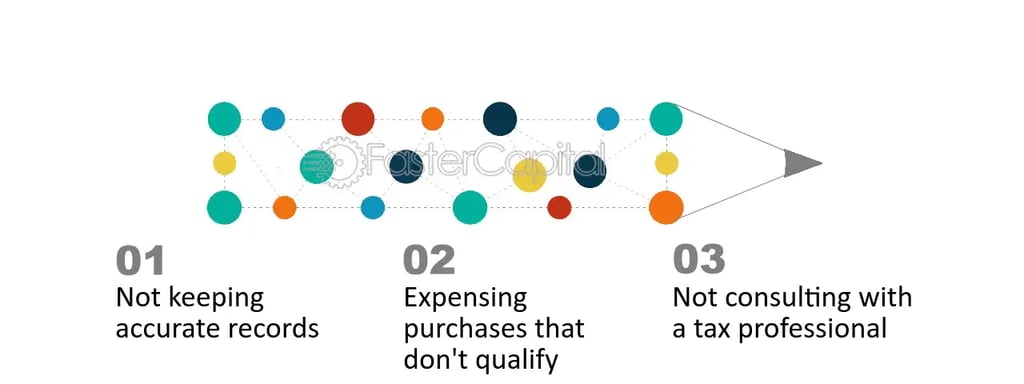
The de minimis safe harbor is a popular election that lets most businesses immediately expense small tangible property purchases (up to $2,500 or $5,000 per item/invoice, depending on whether you have an applicable financial statement). However, it doesn't override the Uniform Capitalization (UNICAP) rules under Section 263A, which require capitalizing certain direct and indirect costs into inventory or self-produced assets for producers and resellers.
In 2025, these rules remain unchanged from prior years—the de minimis safe harbor provides relief from general capitalization under Section 263(a), but UNICAP can still require capitalization if the purchase relates to production or resale activities.
How They Interact
General Rule: The de minimis safe harbor allows you to deduct qualifying amounts instead of capitalizing them as assets to depreciate. However, per Treas. Reg. §1.263(a)-1(f)(3)(v), these amounts may still be subject to capitalization under Section 263A if they comprise direct costs (e.g., raw materials) or allocable indirect costs (e.g., tools, supplies, handling) of property you produce or acquire for resale.
Why This Happens: UNICAP ensures that costs of producing inventory or self-constructed assets are capitalized into the cost of goods sold (rather than deducted immediately), preventing distortion of income. The tangible property regulations (including de minimis) explicitly do not eliminate UNICAP requirements.
Practical Impact:
Non-Producers/Resellers (e.g., service businesses, pure retailers without significant handling/production): De minimis usually applies fully—no UNICAP override.
Producers/Manufacturers: Small tools, jigs, molds, or components under the threshold might still need to be capitalized if used in production.
Resellers (e.g., wholesalers, retailers): Costs like purchasing small items for resale or indirect handling costs could trigger capitalization.
Examples from IRS Regulations
A manufacturer buys patterns and molds costing under $2,500 each. Even with de minimis election, these may need capitalization under UNICAP as indirect production costs.
A reseller buys packaging materials under the threshold: Likely capitalized as part of inventory costs if allocable to resale property.
Planning Tips for 2025
If UNICAP applies to your business, review purchases carefully—don't assume de minimis always allows full expensing.
Use simplified UNICAP methods (e.g., simplified production or resale method) which have their own de minimis exceptions for certain direct costs.
Document everything: Invoices should substantiate per-item costs, and track whether items feed into production/resale.
Small businesses often avoid UNICAP entirely if gross receipts are low (e.g., under certain thresholds for cash-method users) or if production is minimal.
The de minimis safe harbor is powerful for simplification, but UNICAP takes precedence for inventory-related costs. Consult a tax professional to analyze your specific operations—misapplication can lead to adjustments on audit.
This is informational only and not tax advice. Rules are based on current IRS guidance as of 2025.
Get in touch
Contacts
312-544-9226
tram.le@letaxfirm.com