Serving Chicago & all 50 states Mon-Fri 9-6 CT

Accrual Accounting for Startups: When (and Why) Founders Should Make the Switch
Most startups start on cash accounting, then outgrow it. Learn when accrual accounting becomes required, why investors expect it, and how switching can even defer your taxes.
Tram Le, CPA
7/6/20264 min read
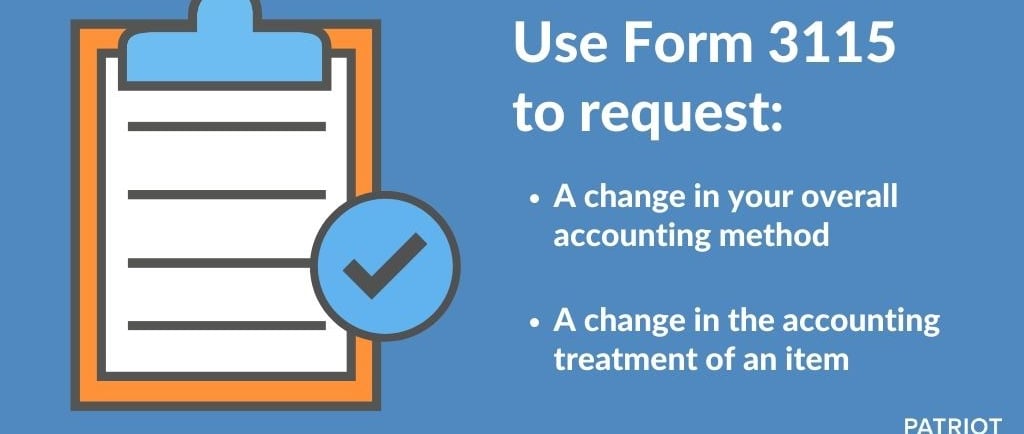
Almost every startup begins on the cash method of accounting. It's intuitive — money in is revenue, money out is expense — and it mirrors your bank balance. But there comes a point in a growing company's life when the cash method stops telling you the truth about your business, stops impressing the people writing you checks, and in some cases stops being legally allowed. At that point you switch to accrual accounting.
This post is about the decision: when the switch becomes necessary, why founders make it ahead of being forced to, and what actually changes in how you see your business. (The switch is also a formal IRS process with its own paperwork; we touch on that briefly, but the focus here is the strategic "when and why," not the filing mechanics.)
> Note: General guidance, not advice for your specific situation. Thresholds and rules shift year to year — confirm with your CPA before acting.
The difference, in plain terms
Cash accounting records revenue when cash arrives and expenses when cash leaves. Simple, liquidity-focused.
Accrual accounting records revenue when it's earned (you delivered) and expenses when they're incurred (you received the benefit) — regardless of when money actually moves.
For a SaaS or services startup, the gap between these two is enormous. Collect $120,000 upfront for an annual subscription and cash accounting books $120,000 of revenue today. Accrual accounting recognizes $10,000 per month as you actually deliver the service, and parks the rest as deferred revenue — a liability, because you still owe the customer eleven more months of product.
That second picture is the real one. It's also the one your investors, lenders, and any future acquirer will insist on.
Why founders switch before they have to
1. Your numbers start lying to you
On the cash method, a single large annual invoice can make a flat month look like a blowout, and a quarter where you prepay a year of cloud hosting can make a healthy business look like it's hemorrhaging. You can't see gross margin, unit economics, or monthly recurring revenue clearly because the timing of payments distorts everything. Accrual matches revenue to the costs of earning it, so your P&L reflects how the business is actually performing.
2. Investors and acquirers expect accrual
GAAP financial statements are accrual-based, full stop. The moment you're raising a priced round, applying for a venture-debt facility, or fielding acquisition interest, sophisticated counterparties expect accrual financials — and the metrics that come with them (deferred revenue, recognized vs. billed revenue, true margins). Handing a VC cash-basis books signals you're not ready. Many founders switch ahead of a raise specifically to walk in with diligence-ready financials.
3. It can actually defer your taxes
Here's the counterintuitive upside. Under cash accounting, that $120,000 annual prepayment is fully taxable the moment it hits your account. Under accrual, only the earned portion is recognized — the rest is deferred revenue, not yet taxable income. For a company collecting annual or multi-year contracts upfront, switching to accrual can smooth or push out a tax bill rather than getting taxed on cash you haven't yet earned. The right method isn't just about cleaner books; it can be a real cash-tax timing decision.
When the switch becomes mandatory
Beyond the strategic reasons, sometimes you simply have no choice:
You cross the gross-receipts threshold. The Tax Cuts and Jobs Act lets most businesses with average annual gross receipts at or below an inflation-adjusted limit (around $30 million for recent years, indexed) over the prior three years use the cash method. Cross that, and accrual is generally required. Confirm the exact figure for your filing year with your CPA — it moves annually.
Your entity or inventory triggers it. Certain entity types and businesses that maintain inventory have historically faced accrual requirements, though the small-business exception relaxed many of these. Worth a check based on your specifics.
The pattern for a successful startup is predictable: you'll want to switch around your Series A for fundraising readiness, and you'll be required to switch when revenue scales past the threshold. Planning the timing beats being forced into it mid-diligence.
What changes when you switch
Moving to accrual means your books start tracking things cash accounting ignored:
Accounts receivable — revenue earned but not yet collected
Accounts payable — expenses incurred but not yet paid
Deferred revenue — cash collected but not yet earned (the big one for subscription businesses)
Prepaid expenses — cash paid for benefits you'll receive later
These give you a balance sheet that actually means something, and reports that match how SaaS businesses are evaluated.
A note on the IRS process
You can't just start doing accrual on January 1 — the IRS treats your accounting method as a formal election, and changing it is a defined "change in accounting method" with its own filing. For most cash-to-accrual switches this is a relatively standard, automatic-consent process, and it includes a one-time cumulative adjustment that trues up the difference so income isn't double-counted or skipped in the transition. Notably, when that adjustment increases your taxable income, the rules generally let you spread it over several years rather than taking it all at once — a taxpayer-friendly cushion. The mechanics are worth doing with a CPA so the change is valid and the adjustment is calculated correctly, but they shouldn't deter the decision.
How to think about timing it
Map it to your fundraise. If a raise is on the horizon in the next 6–12 months, switch early so your data room has clean accrual financials.
Watch the threshold. Track your three-year average gross receipts; when you're approaching the limit, plan the change rather than scrambling.
Consider the tax timing. If you collect large upfront contracts, model how deferred revenue treatment affects your taxable income — the switch may help your cash-tax position.
Don't do it piecemeal. Accrual is all-in; you can't accrue some revenue and cash-account the rest.
The bottom line
Switching to accrual is a sign your company is graduating from "small business" to "scaling startup." Done proactively, it gives you financials you can actually steer by, makes you fundraise- and exit-ready, and can even improve your tax timing. Done reactively — under deal pressure or after crossing a threshold you didn't track — it's a scramble. The best time to plan the switch is before you need it.
---
Getting your books ready for a raise, or watching your revenue approach the cash-method limit? Le CPA Group helps founders time and execute the move to accrual cleanly. Reach out to plan your switch, or subscribe for more startup accounting deep dives.
Get in touch
Contacts
312-544-9226
tram.le@letaxfirm.com